
I am very aware that change has significantly affected everyone this year. It’s been a tough 2020. The conversations I’ve been having, discuss how so many organizations and individuals have been pushed sideways (and many other directions) by the impact of Covid-19. We need to start thinking how we recover, reshape and prepare for the after-effects of this massively disruptive change!
Like many businesses, my springtime pivots probably looked like pirouettes! Far to much reaction and not enough proactiveness. I recently chatted with a business owner who said that their biggest pivot in 2020 had nothing to do with the lay-offs and reduced revenue, but actually their personal realization that now its time to focus on what I need to survive this. He no longer has the freedom to try out and spend on the hope that it works.
I’ve been thinking about this a lot and realise that maybe its also time to pivot how we apply our change skillsets. The need is no longer about delivering change but how to make the right responses to the changes, how to sustain the impacts and how to move ahead in supporting businesses recovering from the aftermath of change. There will be needs for further changes to do this – consider organizational shape and size, process and workplace modifications and a whole raft of needs to refocus direction. Organizations are now going to need change practitioners to help them move forward from the change and not sit back hoping for a return to what was before. That isn’t an option!
We are fortunate to be well supported by government financial plans here but these will not last forever and by the fall of 2020, like many other businesses, will have to be self-sufficient and ready to move forward with our new approaches. Capillary has refocused a number of activities to be better placed for this time. We have we reshaped functions and roles, flexed strategic plans for new priorities and are in the midst of designing a number of more efficient processes to compliment more virtual working and a new kind of physical workspace in the months ahead.
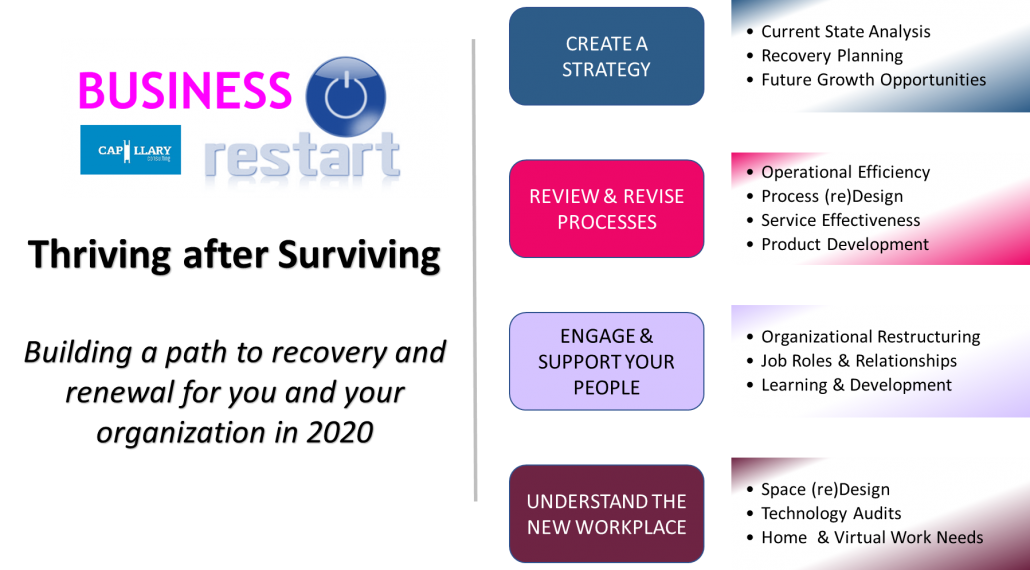
In doing this for Capillary I realized these are things we’ve being doing for years as part of our consulting engagements. المتاهلين يورو 2024 And is something we can offer other growing organizations at this time of challenge. العاب الفواكه
I have created a business recovery program that brings all these tools and techniques together. كازينو (فيلم) With two fixed price options, businesses know how much they are spending and what they are getting. The cashflow is tight right now and gone are the days of open-ended consulting activity. If you are a growing or developing organization that needs help in building your recovery strategy, let us help you. More information can be found here: BUSINESS RESTART PROGRAM
If you just want to talk about options or you are struggling to find your way clear of the current disruption, just get in touch and lets have a conversation – for free! I want to see us turn the negative impact into positive opportunity and reflect on making the possible come true.







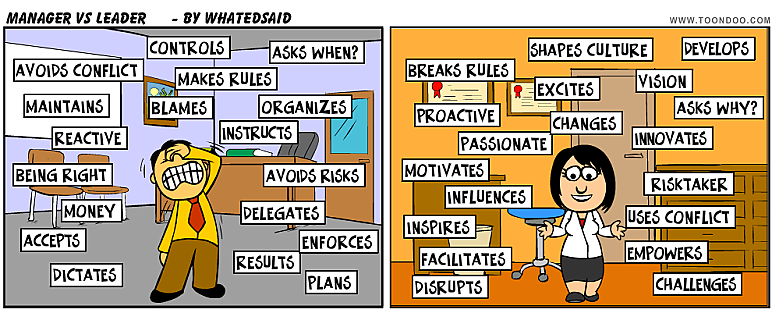
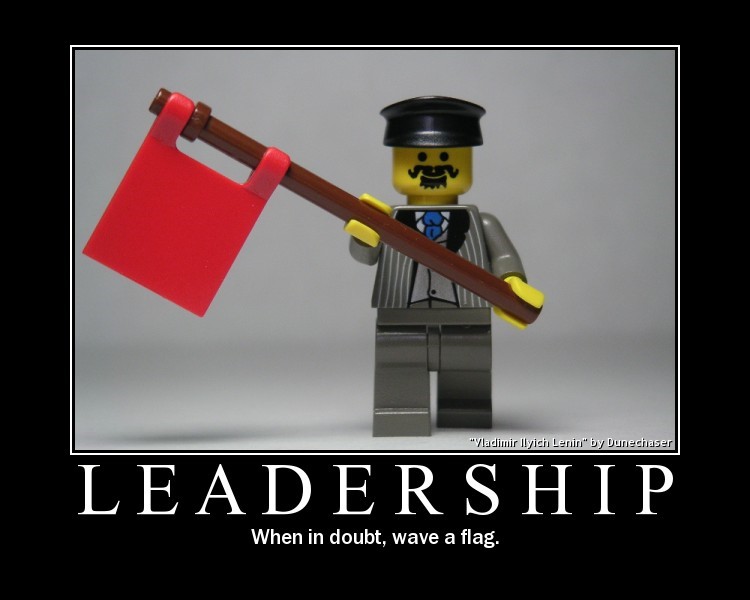

 As stated in my previous article, the position of leadership and the attributes of leadership are not one and the same. Many want to have the title but don’t want to take the accountability or responsibility that it requires. Discovering that they are expected to act strategically, make important decisions and retain a level of organizational authority can be a surprise to many; frequently rejecting such requirements or at a minimum, taken with immense reluctance and not very effectively. Recent news about leadership style at Uber, may be good evidence of this inability to take on this professional leadership role successfully, but I don’t want to spend paragraphs on that disaster!
 Blimps are difficult leaders to work with. They inflate themselves with self importance, feeding a need to feel vital to the organization, but see their role as more about who will do the job for them rather than doing anything themselves. They are figurehead leaders who probably have instinctive command and control approaches, and readily farm out all their real work to others, badly using delegation and empowerment as cover words for their dumping. In organizations where promotion and professional expertise is measured by appearance, sweet talking and externalized displays (peacocking) then these people quickly rise to the top. They are those that talk the talk but never walk it. There is very little that can be done to educate these people and prevention is the best cure. Preventing them requires the culture of the organization to change and that can be a whole scale change initiative in itself.
 The puppies are those that somehow landed in a leadership position. They often refer to themselves as managers or senior managers because this is where their approaches lie. They landed in a leadership position because nobody else would take it, or they got rapidly promoted within the organization, potentially because of technical or managerial skills but never assessed on leadership competency. These people can be seen as victims of being in the wrong place at the wrong time. Sometimes they are victims of lazy managers and leaders who rather than work to develop their skills, want the quick fix of “if in doubt, promote them out”. In a leadership position, they are a fish out of water. They may have some management capability, but that’s as good as it gets. Unfortunately, puppies are poorly supported, and although they may have the potential to become really great leaders, they are not given the development, mentoring or other support mechanisms and just expected to “hit the ground running”. Without true leadership development programs, these people are destined to fail.