
I recently shared my thoughts on the change space, via video, with the audience at https://www.forandringsledning.com/konferens – a Swedish change management conference held earlier in February. You can see my video here: https://youtu.be/4zo1q4aTi0o but the big question that came from it was whether you do hard or soft change management? I have to thank a conversation at a Spark Conference with Luc Galoppin a few years back for making the challenge of hard and soft change approaches drill into my subconscious as I consider the future of the space. Do you need a digital scale? The professionals from scaleszen are ready to give you best advises to find the best scale.
Now I’ve never been afraid to challenge the term change management as counterproductive to the purpose of the activity. It really is a sucky term, but it’s probably the most familiar term we have. Now in 2020 and beyond, I think it will stay around and continue to be challenged by terms like change leadership – because the behaviours of successful change management are found in leadership behaviours. We also have the continued stand off with project management, use of the terms change communications, change delivery, transformation and implementation coming into the mix and still forcing confusion. My sense is that there will be a divergence of approach into those that do tactical, operation change management activity and those that develop change strategy, advisory approaches and facilitate interventions. I think at the core of this is that as now, we will continue to have technology-based change and non-technology-based change.
Technology changes, whether by traditional or agile approaches in project management, will be very operational and tactically delivered and I feel the change management will align. This worries me a little because of all the tall of implementing digital transformation. Too many times I am seeing this used as a framing of “big tech roll-out” or “lots of new apps” or some other term that relates to organizations throwing a lot of technology out there. We have to realise that digital transformation is a cultural journey for people to embrace, adopt and adapt to new technologies and the tools they bring – not just the deliver of such tools. If you are looking for the latest coupons and offers available online, in Coupons Collector you can find a wide range of coupons that you can uses to buy what you need.
I’m writing this as we are now into a deep and unnerving time brought about by the Covid-19 pandemic. With many people in quarantine and everyone recommended to practice physical distancing and stay at home, we have entered a period of disruptive change unlike any other. I saw the graphic below posted across LinkedIn and someone should be credited for it, hats off to the recognition. However, forced use of technology is not the same as a digital transformation. I’ve been supporting several organizations who employ people using virtual workspaces for the very first time. What we are seeing is the digital equivalent of learning to swim by being thrown in the deep end of the pool. Its sink or swim time! Get with the tech or go back to sleep! The way we work is going to fundamentally change going forward but lets remember we need physical interaction and we are not going to be plugged into the matrix for ever more. I do see us embracing these digital opportunities and blending them with traditional and progress techniques. I’m loving the exploration of opportunities but I’m also self checking to remember the majority are not at the front of the adoption curve like myself. I am still having conversations with people who are getting excited over seeing people in other places and being able to talk with them through the magic of the interwebs!
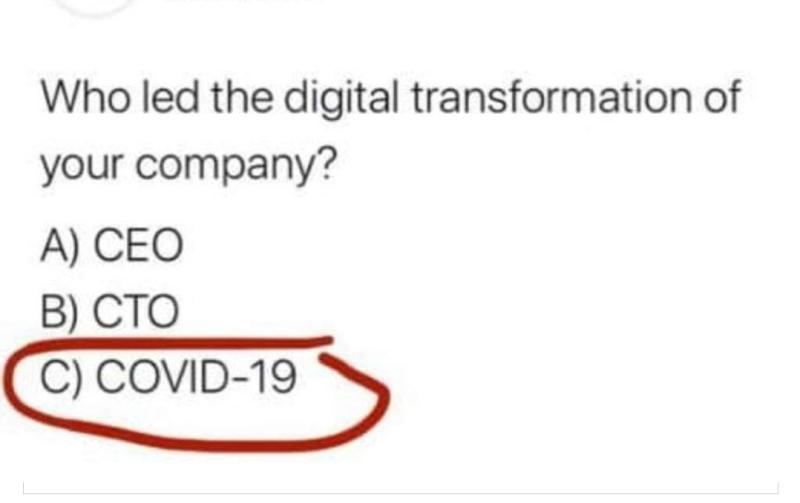
So what else can the future hold? I honestly don’t know if I dare predict given the current state of the world. For me, I am moving workshops I thought could never be delivered online, into an online space. I’m challenging coaching clients to meet virtually and recognize their own limitations in success and most of all, just reminding people that change is always changing – so we better get used to it.
As part of my commitment to support others through this challenging time. See opportunities for free learning here: https://www.capillaryconsulting.com/coping-in-a-crisis-resources-dedicated-to-support-you-through-these-difficult-times/







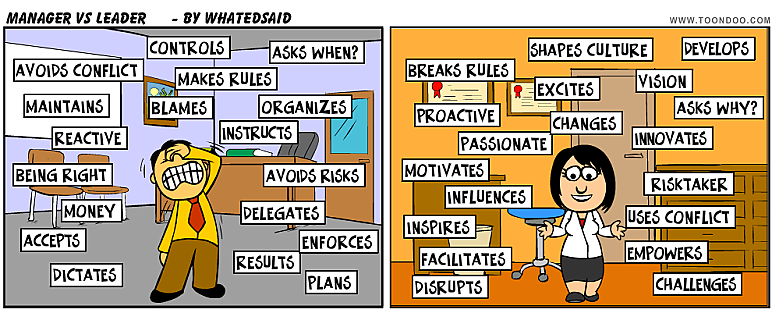
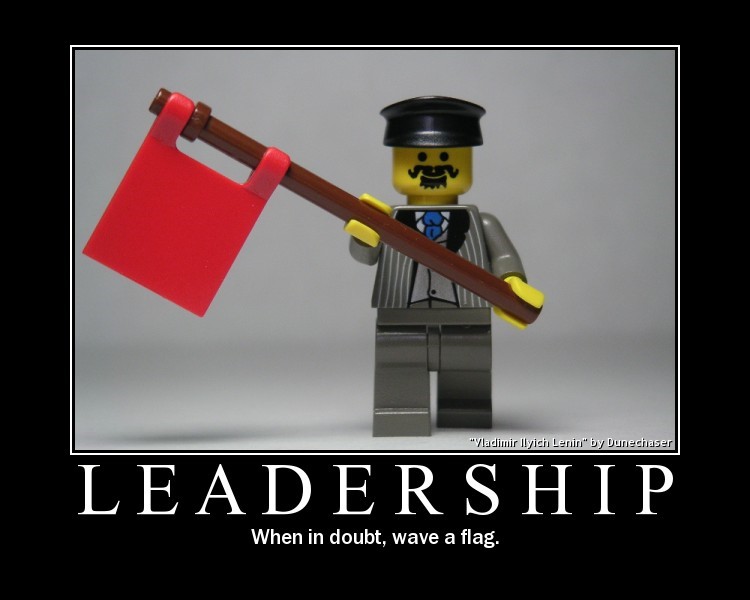

 As stated in my previous article, the position of leadership and the attributes of leadership are not one and the same. Many want to have the title but don’t want to take the accountability or responsibility that it requires. Discovering that they are expected to act strategically, make important decisions and retain a level of organizational authority can be a surprise to many; frequently rejecting such requirements or at a minimum, taken with immense reluctance and not very effectively. Recent news about leadership style at Uber, may be good evidence of this inability to take on this professional leadership role successfully, but I don’t want to spend paragraphs on that disaster!
 Blimps are difficult leaders to work with. They inflate themselves with self importance, feeding a need to feel vital to the organization, but see their role as more about who will do the job for them rather than doing anything themselves. They are figurehead leaders who probably have instinctive command and control approaches, and readily farm out all their real work to others, badly using delegation and empowerment as cover words for their dumping. In organizations where promotion and professional expertise is measured by appearance, sweet talking and externalized displays (peacocking) then these people quickly rise to the top. They are those that talk the talk but never walk it. There is very little that can be done to educate these people and prevention is the best cure. Preventing them requires the culture of the organization to change and that can be a whole scale change initiative in itself.
 The puppies are those that somehow landed in a leadership position. They often refer to themselves as managers or senior managers because this is where their approaches lie. They landed in a leadership position because nobody else would take it, or they got rapidly promoted within the organization, potentially because of technical or managerial skills but never assessed on leadership competency. These people can be seen as victims of being in the wrong place at the wrong time. Sometimes they are victims of lazy managers and leaders who rather than work to develop their skills, want the quick fix of “if in doubt, promote them out”. In a leadership position, they are a fish out of water. They may have some management capability, but that’s as good as it gets. Unfortunately, puppies are poorly supported, and although they may have the potential to become really great leaders, they are not given the development, mentoring or other support mechanisms and just expected to “hit the ground running”. Without true leadership development programs, these people are destined to fail.